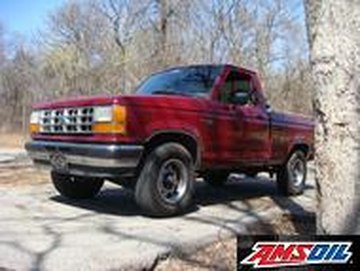
Maintaining Lubrication Standards for the 1982 Ford Trucks BRONCO 5.8L
Proper engine maintenance is a cornerstone of long-term vehicle health, particularly for high-displacement engines like the 5.8L found in this 1982 Ford Trucks Bronco. Maintaining the correct lubrication standards ensures that internal components remain protected against friction and heat during operation. Because older vehicles often have different material tolerances than modern counterparts, a disciplined approach to fluid management and visual inspections is essential for any owner.Monitoring Fluid Integrity and Potential Leaks
One of the most effective ways to monitor the health of an engine is through regular observation of its sealing surfaces. Over time, various gaskets and seals may experience changes in elasticity due to heat cycles and age. It is beneficial to perform periodic inspections of the engine area for any signs of fluid seepage or active leakage. When conducting these checks, look for wetness around common junction points or areas where oil might collect on the underside of components. Identifying a small seep early can prevent more significant issues later. Additionally, checking the appearance of the lubricant itself is useful; if the oil appears excessively dark, gritty, or contains visible contaminants, it may indicate that the service interval has been exceeded or that there is an underlying issue with filtration or combustion cleanliness. If you notice any unusual odors or changes in how the engine operates shortly after a service, these should be investigated promptly. While symptoms like a burning smell can have many different causes—such as oil contacting a hot exhaust component—they are always worth noting during your routine maintenance routine.Managing Aging Components and Systems
As vehicles age, certain peripheral components require more frequent attention to ensure the engine operates within its intended parameters. For a 1982 model, this includes inspecting various rubber and plastic parts that may become brittle over several decades. If equipped, inspect accessible drive belts for signs of deterioration such as cracking, glazing, or fraying. Similarly, if present, examine cooling system hoses for any evidence of softening, swelling, or surface cracks. Maintaining the integrity of these components helps prevent unexpected downtime. Electrical connections and wiring harnesses should also be monitored. Corrosion or loose connections can lead to inconsistent performance. A clean, secure electrical environment is vital for the proper operation of sensors and ignition-related components. By addressing these age-sensitive areas through observation rather than waiting for a failure, you can maintain a much more stable operating environment for the 5.8L engine.Establishing a Maintenance Baseline
For many owners of classic or older trucks, the service history may not be fully documented. In such cases, the first priority is establishing a maintenance baseline. This involves performing a thorough inspection of all current fluids and components to determine their actual condition rather than relying on assumptions about how they were treated in the past. Reviewing any available repair records can provide clues about previous work, but where documentation is missing, a "condition-based" approach is most effective. This means prioritizing maintenance based on what you actually see during inspections. For example, if an inspection reveals that a seal is beginning to seep, addressing that specific issue becomes a higher priority than performing unrelated preventive tasks. Keeping your own detailed records of every oil change, filter replacement, and observed leak is one of the most valuable habits an owner can develop. These records allow you to track trends—such as whether the engine is consuming more lubricant over time or if certain components are wearing at an accelerated rate—which provides much better data for making long-term maintenance decisions.The Role of Lubrication in Engine Protection
Engine oil performs several vital roles that go beyond simple lubrication. It acts as a primary medium for heat management, helping to carry thermal energy away from high-friction areas and into the oil pan or through a cooler. Furthermore, modern lubricant formulations are designed with advanced additives that help manage deposits and prevent the buildup of sludge, which can occur when oil is exposed to high temperatures and combustion byproducts over long periods. Maintaining clean oil is essential for ensuring that the engine's internal surfaces remain smooth and free from abrasive contaminants. Even in older engines, the chemical stability of the lubricant plays a significant role in how well the engine handles varying operating temperatures and workloads.Practical Inspection Strategies
To make maintenance efficient, consider integrating fluid checks into your regular vehicle use. Checking the level and condition of the oil using the dipstick is a simple task that provides immediate feedback on the engine's status. When performing these checks:- Ensure the vehicle is on level ground to get an accurate reading.
- Observe the color and consistency of the fluid on the dipstick.
- Look for any signs of aeration (foaming) or unusual odors.
- Check the area around the oil filler cap for any signs of sludge or moisture buildup.
Guidelines for Buying Engine Oil for your 1982 Ford Trucks BRONCO 5.8L
When it is time to replenish your engine's lubricant, accuracy in selection is paramount. You should not rely on general automotive knowledge or assumptions based on the vehicle's age to choose a product. Instead, match the engine oil to the application-specific viscosity information already displayed on this webpage. Before finalizing your purchase, follow these practical steps:- Verify the Viscosity: Always check the product label to ensure the SAE viscosity matches the specific requirements listed in the application data for this 5.8L engine.
- Check API Certifications: Ensure the oil meets the current appropriate API service classifications to guarantee it provides the necessary additive package for your engine's needs.
- Consider Formulations: Depending on your specific engine condition, you may choose between conventional, synthetic blend, or full synthetic oils. If the engine shows signs of high mileage, some high-mileage formulations include seal-conditioning additives that may be beneficial.
- Inspect Packaging: Always confirm that the container you are purchasing is sealed and that the labeling clearly states the viscosity and service ratings.